Merging Form Analysis Across Racket and Hoop Sports with Track Variables to Refine Accumulator Approaches Under Promotional Frameworks
Sofia Braun · Sep 15, 2026

Merging Form Analysis Across Racket and Hoop Sports with Track Variables to Refine Accumulator Approaches Under Promotional Frameworks
Form analysis in racket sports such as tennis and hoop disciplines like basketball now intersects with track variables from horse racing, creating layered inputs for accumulator construction under promotional frameworks that reward multi-leg selections. Operators release enhanced odds, free bet stakes and cashback structures throughout the calendar, yet those frameworks function best when bettors feed consistent performance metrics into the same models rather than treating each sport in isolation.
Form metrics that travel between disciplines
Tennis players display rally win percentages and break-point conversion rates that parallel basketball teams recording points-per-possession and defensive rebound margins, while both sets of numbers gain context when compared against surface or court conditions. Observers note that a clay-court specialist maintaining high first-serve points won often mirrors a basketball side that protects the paint more effectively on slower surfaces, and these parallels become useful once track conditions enter the equation for equine events.
Horse racing track variables include going descriptions, rail positions and sectional times that shift expected finishing speeds, much like temperature and humidity alter tennis ball bounce or basketball grip. Data from the American Gaming Association indicates that operators in multiple jurisdictions recorded increased accumulator volume during September 2026 when promotional offers coincided with major tennis tournaments, basketball pre-seasons and autumn racing festivals on the same weekends.
Integrating sectional data with player and team trends
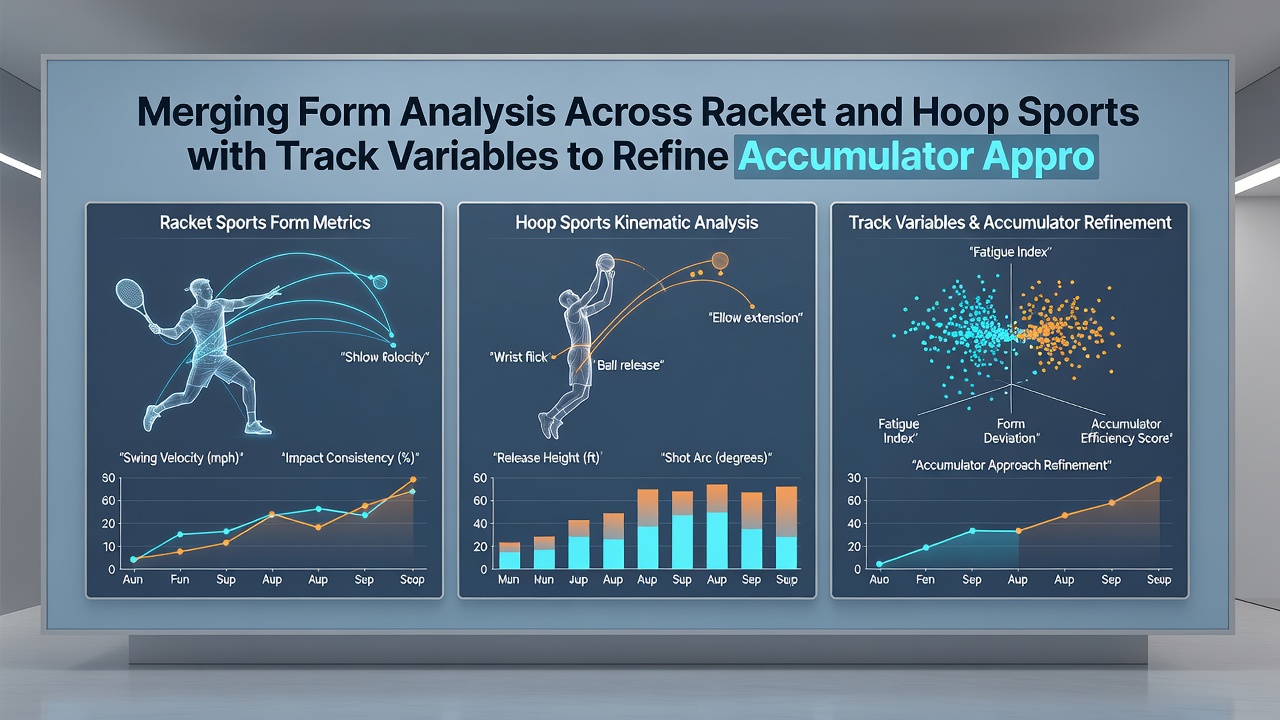
Analysts compile sectional times from recent horse races and overlay them with tennis players' average rally lengths on identical surface types, then cross-reference both against basketball teams' transition frequencies after timeouts. The combined dataset produces probability adjustments for each leg of an accumulator, allowing the promotional multiplier to apply to a more refined base price rather than an unadjusted parlay total.
One study released by researchers at the University of Nevada examined multi-sport bettors who adjusted selections according to track moisture readings and court speed ratings, finding that the approach altered implied probabilities by measurable margins compared with single-sport models. Those adjustments proved particularly relevant when welcome bonuses or reload offers required minimum odds thresholds that multi-leg accumulators could meet more reliably after variable correction.
Promotional structures and risk calibration
Promotional frameworks typically cap the number of legs or set minimum total odds, yet the addition of track and court variables permits bettors to identify combinations where the adjusted price still clears those hurdles while reflecting updated probabilities. Cashback offers on near-miss accumulators become more predictable once the underlying models already account for surface-specific fatigue or ground-condition impacts that single-sport form tables overlook.
Industry reports compiled by the Victorian Responsible Gambling Foundation highlight that operators in regulated markets observed higher retention among accumulator users who incorporated environmental variables, because the resulting bet structures aligned more closely with the actual outcome distributions rather than raw historical averages. This alignment reduced the frequency of total wipe-outs that trigger full stake loss under standard promotional terms.
Practical construction steps observed in practice
Bettors begin by ranking tennis and basketball legs according to recent surface-adjusted efficiency ratings, then insert horse racing selections whose sectional profiles match the pace expectations derived from those earlier legs. The sequence matters because promotional boosts often apply only when the accumulator reaches a set number of selections, so placing the most variable-adjusted leg in the final position can protect the overall multiplier while still satisfying the operator's leg requirement.
Software dashboards now export combined metrics into spreadsheet formats that flag when a track variable shifts a horse's implied probability enough to justify swapping it for an alternative race on the same card. The same workflow applies when basketball back-to-back scheduling or tennis best-of-five formats alter expected output, allowing the accumulator price to remain competitive under the prevailing bonus structure.
Conclusion
Accumulator refinement through merged form analysis continues to evolve as operators expand promotional frameworks across tennis, basketball and horse racing calendars. Those who maintain unified datasets that treat rally efficiency, possession value and sectional speed as interchangeable inputs produce selections that satisfy both the mathematical requirements of the bet and the commercial conditions attached to the bonus. As September 2026 data streams accumulate, the same integration methods remain available for upcoming fixtures where surface, court and track conditions again converge on single weekends.