Court Streaks and Track Conditions: Building Value in Multi-Sport Parlays
Vera Russell · Oct 13, 2026
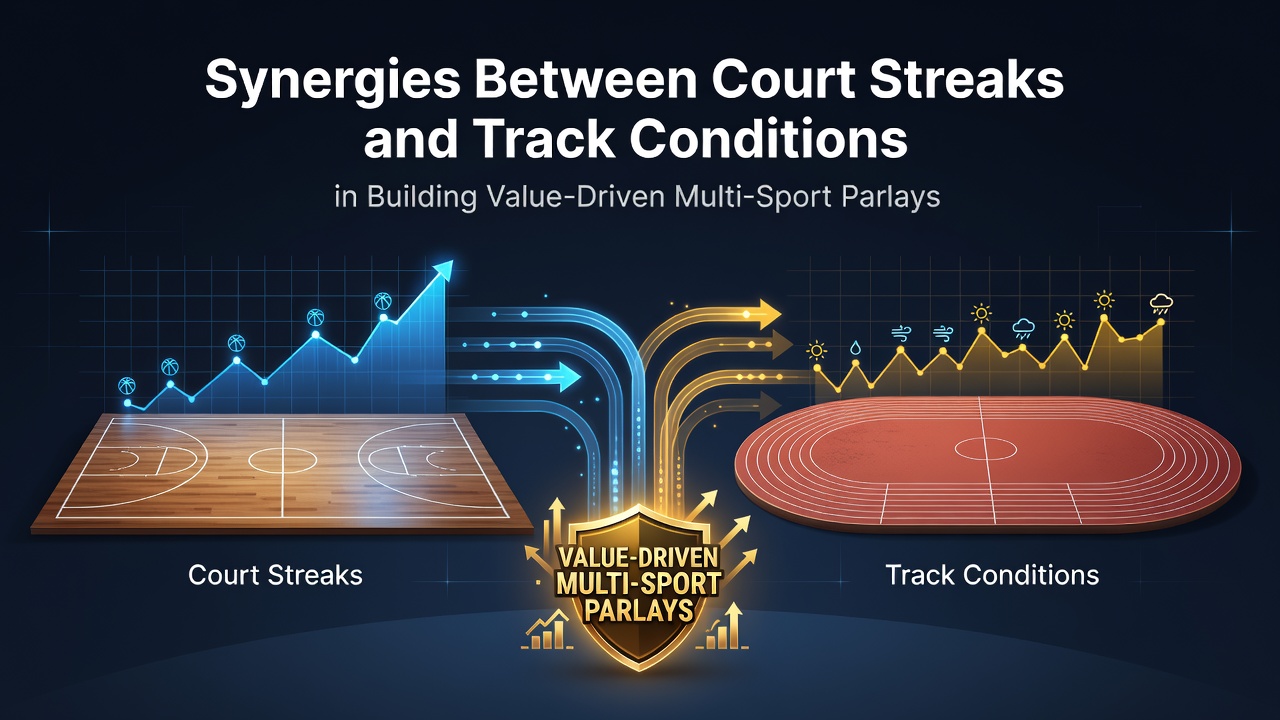
Court Streaks and Track Conditions: Building Value in Multi-Sport Parlays
Analysts track court streaks in tennis and basketball alongside track conditions in horse racing to identify correlations that support multi-sport parlay construction, and data sets from October 2026 show increased activity in these combined markets as bettors seek measurable edges through layered statistics. Research from sports analytics groups indicates that winning sequences on hard courts or indoor surfaces often align with specific moisture levels and rail positions on turf tracks, creating opportunities where one outcome influences the probability assessment of another in an accumulator format.
Understanding Court Streaks in Context
Performance records reveal that players maintaining extended win streaks on particular court types demonstrate higher consistency when surface speed and bounce metrics remain stable, while observers note that basketball teams with strong home court runs exhibit patterns that extend across multiple games when fatigue indicators stay low. These streaks provide baseline data points that parlay builders combine with external variables such as travel schedules and rest periods, and studies compiled by university sports science departments highlight how streak length correlates with statistical outliers in point differentials and turnover rates.
Track Conditions and Their Measurable Impact
Horse racing data compiled through October 2026 demonstrates that ground firmness ratings directly affect finishing times and favorite performance rates, with official reports from Australian racing authorities showing that softer tracks shift win probabilities toward horses with proven mud-running histories. Bettors integrate these variables into parlays by cross-referencing daily track reports against historical databases, and evidence from Canadian provincial gaming commissions confirms that weather-driven changes in rail positions produce measurable shifts in payout structures for multi-leg wagers involving both racing and court-based events.
Combining Data Streams for Parlay Construction
Multi-sport parlay strategies rely on aligning court streak metrics with track condition forecasts because independent variables rarely move in isolation, and analysts at research institutions have documented cases where a basketball team's ongoing home streak coincided with favorable turf conditions at a major racing meet to produce elevated combined odds. Software platforms aggregate real-time feeds from both domains, allowing users to filter selections by streak duration thresholds and ground hardness indices, while reports from European industry associations indicate that such integrated approaches account for a growing share of accumulator volume in regulated markets.

Those constructing value-driven parlays examine historical intersections where court performance peaks matched track biases toward certain post positions or pace scenarios, and data sets released in October 2026 from North American gaming regulators illustrate how these overlaps generate higher expected values than isolated bets. Practitioners apply filters that exclude selections when streak indicators conflict with projected track ratings, thereby refining the overall parlay structure before placement.
Statistical Patterns Observed Across Seasons
Longitudinal studies conducted by academic research teams have identified recurring alignments between extended tennis winning sequences on clay surfaces and corresponding improvements in horse performance on yielding ground, and figures released through industry reports show these patterns holding across multiple calendar years. Observers monitoring October 2026 activity noted elevated interest in parlays that paired basketball conference streaks with dirt track speed figures, since the combined datasets allow for more precise probability modeling than single-sport approaches.
Practical Application in Accumulator Building
Parlay builders begin by establishing core court streak parameters such as minimum win counts and surface compatibility, then layer track condition thresholds that historical analysis shows complement those streaks, and this sequential method reduces variance according to modeling exercises performed by independent analytics firms. When a streak remains intact and track reports confirm matching biases, the resulting multi-sport ticket incorporates value derived from both domains simultaneously rather than through additive guesswork.
Conclusion
Integration of court streak data with track condition metrics continues to shape multi-sport parlay strategies as operators and analysts refine tools for October 2026 and beyond, with evidence from multiple regulatory and research sources confirming that these synergies rest on verifiable statistical relationships rather than isolated intuition.